
Overview
Mobile app development involves creating software applications designed to operate on mobile devices such as smartphones and tablets. These applications can range from simple utilities to complex systems, serving various purposes across different industries.

Crafting applications tailored to specific business requirements, ensuring unique functionalities and user experiences.
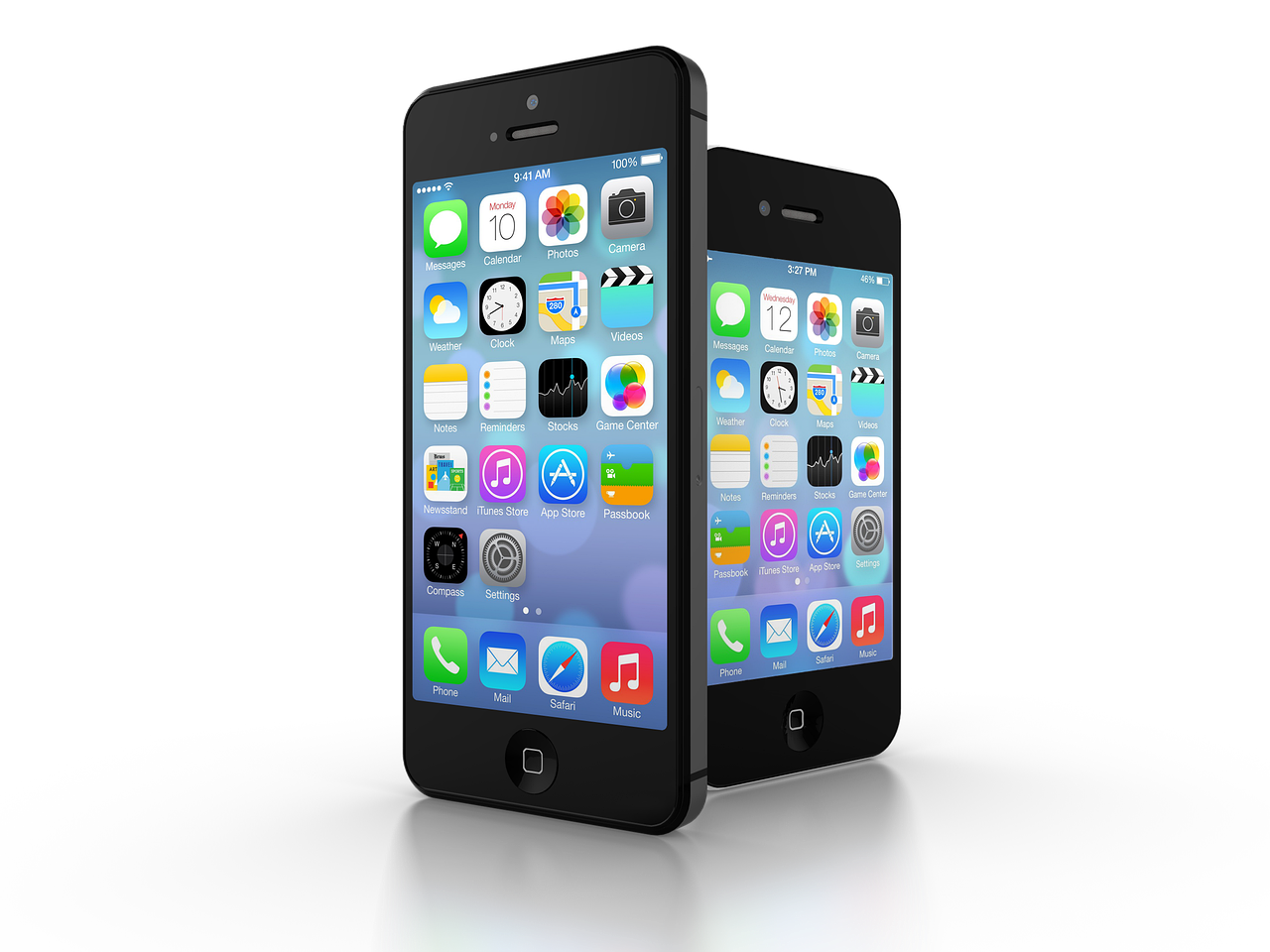
Building applications that function seamlessly across multiple operating systems, such as iOS and Android, using frameworks like Flutter or React Native.

Developing applications optimized for a particular platform, utilizing platform-specific languages and tools to ensure high performance and integration.

Designing intuitive and engaging user interfaces and experiences to enhance user satisfaction and retention.

Conducting thorough testing to identify and rectify bugs, ensuring the application operates smoothly across various devices and scenarios.
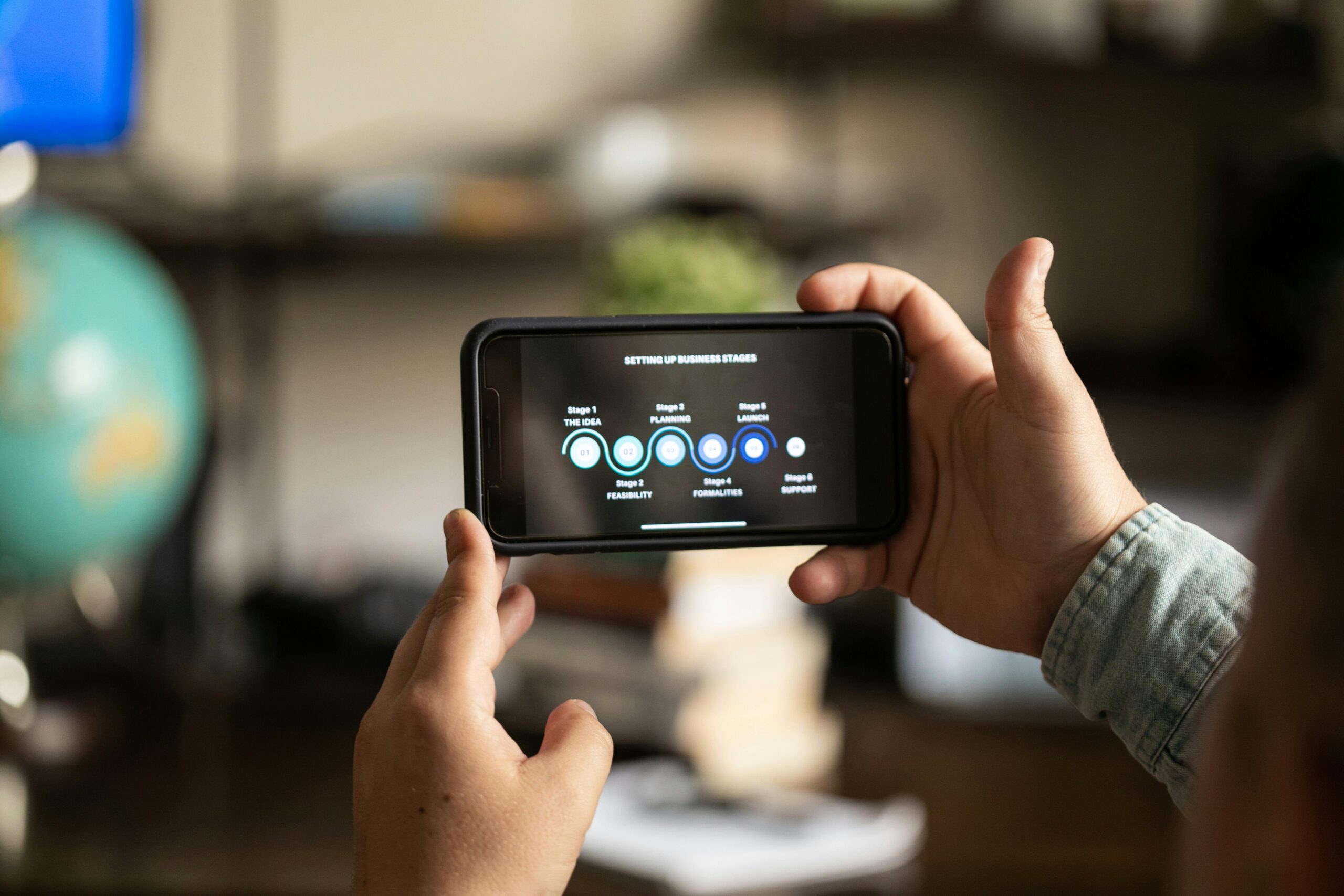
Providing ongoing support to update applications, fix issues, and add new features as user needs and technologies evolve.






The process starts by defining the app's purpose, identifying the target audience, and gathering both business and technical requirements. This stage ensures a clear vision and direction for the app.
Research is conducted to understand user needs, trends, and what competitors are offering. This helps shape the app’s unique value proposition and feature set.
Designers create wireframes to map out the app’s layout and flow. Then, high-fidelity UI designs are developed to ensure a visually appealing and intuitive user experience.
Based on the app's needs (native or cross-platform), suitable technologies are chosen. Native apps use Swift/Kotlin, while cross-platform apps may use Flutter or React Native.
Development is split into frontend (UI) and backend (server-side logic, APIs, database). Developers build core features, integrate services, and ensure the app functions smoothly.
The app is tested across different devices and OS versions. Testing includes functionality, performance, usability, and security to catch and fix any issues before launch.
The finalized app is submitted to app stores (Apple App Store, Google Play). This includes setting up store listings, descriptions, screenshots, and following platform-specific guidelines.
After launch, the app is monitored for performance and user feedback. Regular updates are pushed to fix bugs, improve features, and enhance user experience based on evolving needs.
We as an esteemed firm that provides technological solutions in this digital era with a very professional environment.
Don’t miss our future updates! Get Subscribed Today!